Reading Time: 4 minutes.
In the fast-paced hospitality industry, social media undoubtedly plays a crucial role in connecting with potential guests and sharing your unique offerings. While platforms like Instagram and Facebook are excellent for instant interaction, have you considered how having a blog can significantly enhance your outreach and foster far deeper connections with your audience?
If your business doesn’t have a blog and you are interested in starting one or think a blog is irrelevant to you, please keep reading. This blog post discusses ten reasons why incorporating a blog into your marketing strategy can significantly benefit your hospitality business and provide you with lasting value:
Boost online visibility
Establish authority and build trust
Engage with your audience
Showcase your unique offerings
Drive direct bookings from your website
Nurture existing customer relationships
Highlight local experiences
Build a stronger brand identity
Adapt to changing industry trends
Track performance and gain valuable insights
1. Boost online visibility
Many potential guests turn to search engines to begin their travel planning. The good news is a well-written blog with regularly updated content can significantly help your search engine optimisation (SEO). By including relevant keywords in blog posts, such as those related to your local area, local attractions and seasonal events, you can encourage your website to rank higher in search engines. As a result, potential guests should discover your business far more easily when searching for hospitality in your region.
2. Establish authority and build trust
By writing about local attractions, industry trends, and travel tips, you can demonstrate your expertise, which positions you as an authority in the field. This informative content fosters a connection with the audience, making them more likely to view your business as a reliable, trustworthy source for their travel needs. Ultimately, this can be the difference between a potential customer choosing your hospitality business vs a competitor’s.
3. Engage with your audience
A blog isn’t just a one-way platform. You can use it as an opportunity to engage customers before their visit. Your blogs can encourage readers to leave comments or ask questions, fostering a sense of community. Your readers may even want to share your engaging blog content on their social media accounts, increasing your visibility.
4. Showcase your unique offerings
You can use your blog to highlight any unique features and services your business offers, setting you apart from larger chains and other competitors in the local area. For example, have your hotel rooms recently been refurbished with a distinctive new look? Do you have a delicious new signature dish in your restaurant or a magical festival package you want to shout about? Your blog content can attract new customers while upselling and personalising the experience for existing customers.

(Above photo by Jay Wennington on Unsplash)
5. Drive direct bookings from your website
A well-crafted blog isn’t just a way to tell a story. It can also be a way to guide readers towards making a direct booking through your website, saving you the cost of third-party booking fees. All you need to do is include call-to-actions (CTAs) within your blog posts, such as adding a link to your latest special offer.
6. Nurture existing customer relationships
How do you stay in touch with your customers? Sharing regular updates via a blog, such as highlights from past events and posting guest stories, allows your hospitality business to remain in customers’ minds even after their visit. This ongoing engagement can lead to invaluable repeat bookings and word-of-mouth referrals.
7. Highlight local experiences
Customers planning a trip will often begin their research by looking for activities to enjoy during their stay. You can become a valuable resource by sharing information about local events, activities, and hidden gems in the area. Once the reader decides what their next trip will entail and is ready to book, they will already be on your website, increasing the chances that they will book your hotel or restaurant. Local businesses may also share your content, further increasing your online visibility.

(Above photo by Wild Spirit on Unsplash)
8. Build a stronger brand identity
A blog can help you build a stronger brand identity by providing a platform to share unique stories, insights, and experiences that resonate with your potential guests. Through engaging content, you can showcase your personality, distinct voice, values, and commitment to exceptional service, setting yourself apart from competitors. This consistent messaging will help create a more memorable brand that resonates with your audience.
9. Adapt to changing industry trends
The hospitality industry and people’s travel preferences are constantly evolving. By regularly posting insightful content, you can engage with your audience and showcase your awareness of current developments like eco-tourism, personalised travel experiences and wellness retreats. As a result, you will attract a broader audience and position your business as a thought leader in the industry.
10. Track performance and gain valuable insights
Once your blog is live, you can track its performance using tools like Google Analytics. Tools like this provide insights into visitor demographics, page views and the average time spent on posts, allowing you to understand which topics resonate most with your audience. Additionally, tracking the sources of traffic (i.e. Google, Facebook, email) can help identify effective promotional channels. Engaging metrics such as comments, shares, and direct bookings generated from blog posts can further indicate content effectiveness. By analysing these insights, you can refine your content strategy, tailor your messaging and enhance guest engagement, ultimately driving more bookings and fostering customer loyalty.
Conclusion
Integrating a blog into your hospitality business strategy is no longer just a luxury; it's necessary in today’s competitive landscape. A well-maintained blog enhances your online visibility, establishes your authority in the industry, and fosters meaningful connections with your audience. You can create an invaluable resource that sets your business apart by showcasing your unique offerings, driving direct bookings, and nurturing relationships with past guests. Moreover, a blog allows you to adapt to changing industry trends and share local experiences, keeping your brand relevant and engaging.
Start your blogging journey today and unlock new opportunities for growth, engagement, and success in the ever-evolving world of hospitality.
If you have any questions about setting up a blog for your business, please don’t hesitate to contact me.
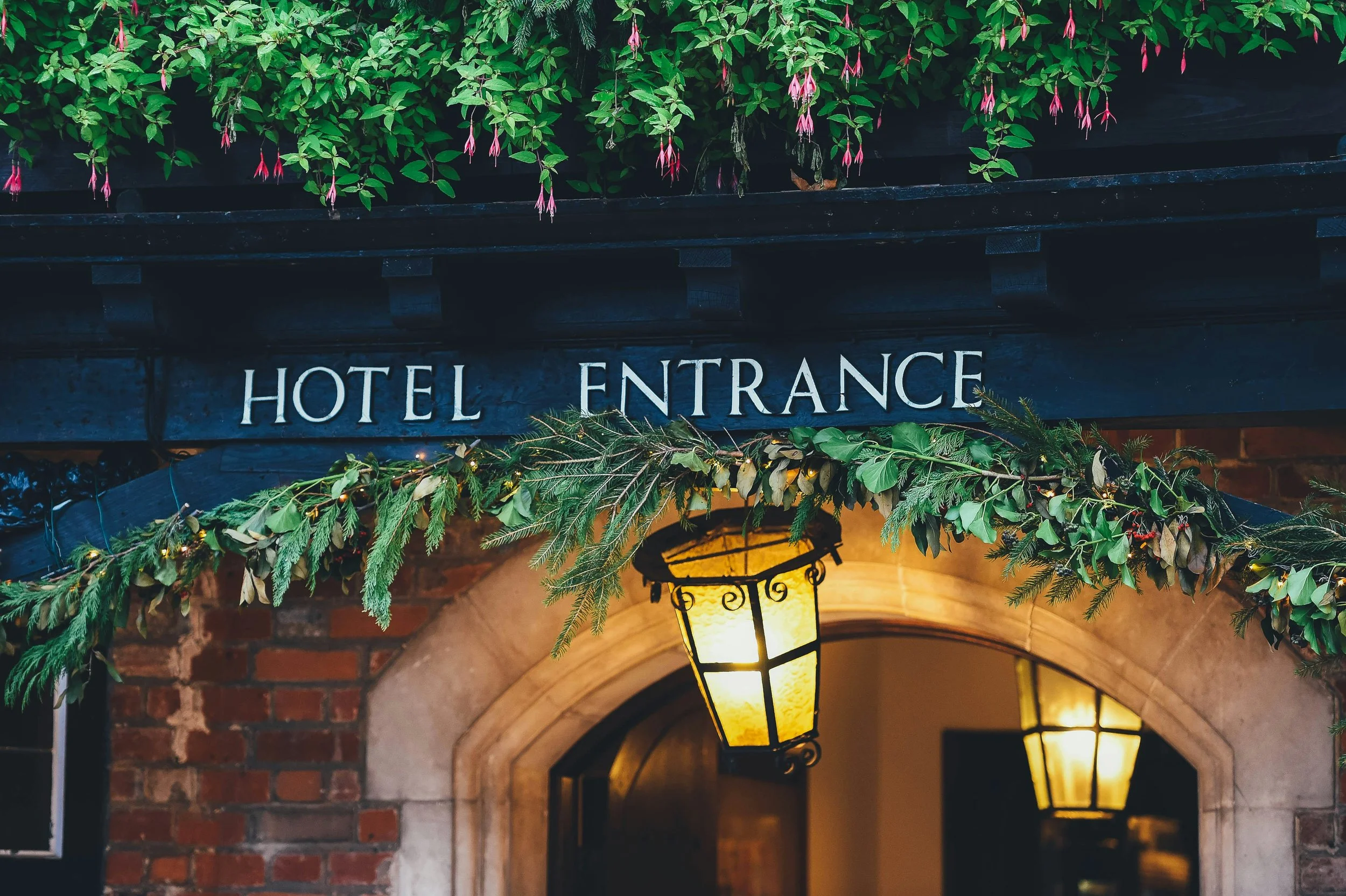
(Header photo by Annie Spratt on Unsplash)